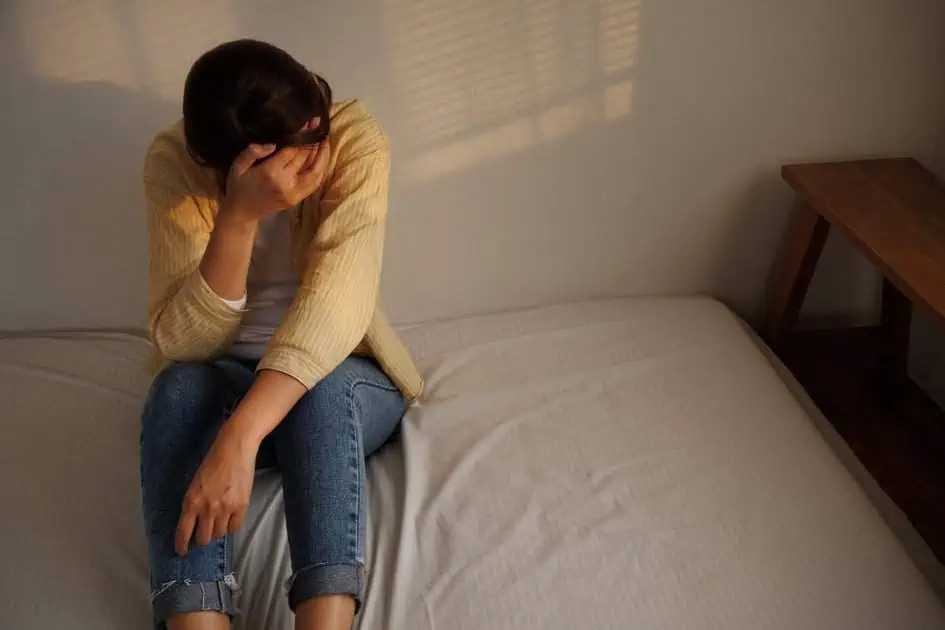

Arizona’s stunning desert landscapes, vibrant sunsets, and outdoor lifestyle attract people from across the country. However, the unique challenges of desert living – from extreme heat to seasonal population changes – can contribute to anxiety for both longtime residents and newcomers to the Grand Canyon State.
Understanding Anxiety in Arizona
Arizona’s growing population, seasonal weather extremes, and unique geographic challenges create specific anxiety triggers that residents may face:
- Seasonal Affective Disorder during intense summer heat periods
- Social anxiety related to seasonal population fluctuations
- Health anxiety related to heat-related illnesses
- Financial stress from higher summer utility costs
- Adjustment anxiety for retirees relocating from other states
Arizona-Specific Anxiety Factors
Summer Heat Isolation The extreme summer temperatures (often exceeding 115°F) can lead to months of indoor living, creating cabin fever and social isolation. Many Arizonans experience increased anxiety during peak summer months when outdoor activities become limited.
Seasonal Population Changes The dramatic population swings between summer and winter months affect community dynamics. “Snowbirds” returning north can leave year-round residents feeling abandoned, while their return in fall can create overcrowding stress.
Retirement Transition Anxiety Arizona attracts many retirees, and the major life transition to retirement combined with relocating to a new state can trigger significant anxiety. Leaving familiar social networks and adapting to new routines creates unique challenges.
Water and Environmental Concerns Long-term drought conditions and water usage restrictions can create ongoing environmental anxiety about sustainability and future living conditions.
Desert-Adapted Coping Strategies
Beat the Heat Mindfully Work with Arizona’s climate rather than against it:
- Early morning outdoor activities (5-7 AM) when temperatures are coolest
- Evening desert walks to watch spectacular sunsets
- Pool-based exercise and meditation
- Indoor mall walking during peak heat hours
- Seasonal activity planning that embraces indoor hobbies during summer
Embrace Community Rhythms Arizona’s unique seasonal patterns offer opportunities for connection:
- Join winter activity groups when snowbirds return
- Participate in summer “survivors” clubs for year-round residents
- Engage with retirement communities’ extensive social programming
- Connect through shared interests like desert photography or astronomy
Leverage Arizona’s Natural Therapy The desert environment provides unique anxiety management opportunities:
- Stargazing and astronomy (Arizona’s clear skies are world-renowned)
- Desert hiking and exploration during cooler months
- Hot spring visits for natural relaxation
- Meditation in peaceful desert settings
- Native plant gardening for therapeutic activity
Building Resilience in the Desert
Seasonal Preparation Develop different routines for different seasons:
- Winter: Maximize outdoor activities and social engagement
- Summer: Focus on indoor hobbies, morning routines, and evening activities
- Spring/Fall: Transition periods for travel and major activities
Healthcare Navigation Arizona’s healthcare landscape offers specific advantages for anxiety treatment:
- Many specialists familiar with seasonal and retirement-related anxiety
- Integration of alternative treatments popular in the Southwest
- Strong telehealth networks connecting rural and urban areas
- Senior-focused mental health services
Professional Resources in Arizona
Arizona offers growing mental health services with understanding of desert living challenges:
- Anxiety specialists familiar with seasonal patterns
- Group therapy options for retirees and newcomers
- Heat-related health anxiety support
- Couples counseling for retirement transitions
Recognizing When to Seek Help
Contact a mental health professional if you notice:
- Increased irritability or worry during seasonal changes
- Avoidance of social activities or outdoor pursuits
- Physical symptoms like headaches or sleep problems
- Difficulty adjusting to retirement or relocation
- Substance use to cope with isolation or heat stress
Arizona’s mental health community understands the unique challenges of desert living and can provide targeted support for anxiety management.
Living in Arizona means adapting to a unique environment and lifestyle. With proper support and coping strategies, the desert can become a place of peace and healing rather than anxiety and stress.